
A closer look at production processes, core components, and quality control systems
In the agricultural machinery industry, product performance is not only determined by design but also by manufacturing quality and the reliability of core components. For global buyers and distributors, understanding how tractors are produced—and what components they are built with—is essential when selecting a long-term supply partner.
Modern tractor manufacturing has evolved significantly over the years. Today, leading manufacturers rely on advanced production systems, strict quality control procedures, and integrated supply chains to ensure consistent product performance. From raw material selection to final assembly, every step in the manufacturing process plays a critical role in determining the durability, efficiency, and reliability of the final product.
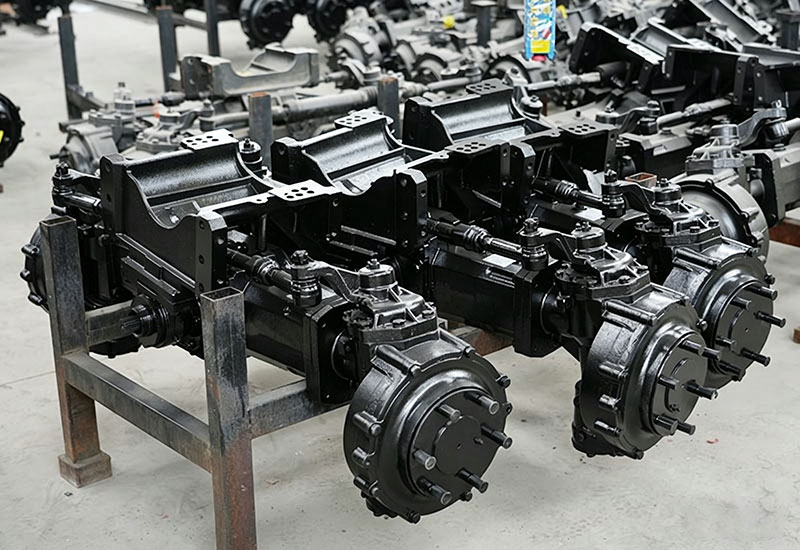
One of the key factors in tractor manufacturing is the quality of core components. Critical systems such as engines, transmissions, hydraulic systems, and axles directly impact machine performance. High-quality engines ensure stable power output and fuel efficiency, while advanced transmission systems enable smooth operation under different working conditions. Hydraulic systems are essential for lifting and controlling agricultural implements, and robust axles contribute to overall stability and load-bearing capacity.
To ensure product reliability, manufacturers must carefully select and test these components. Many professional tractor manufacturers collaborate with well-known international and leading domestic component suppliers. Each component undergoes strict incoming inspection procedures to verify performance, durability, and compliance with technical standards. This process minimizes the risk of failure and ensures long-term operational stability.
In addition to component quality, the manufacturing process itself is equally important. Modern production facilities are equipped with automated assembly lines, precision machining equipment, and advanced welding technologies. Automation not only improves production efficiency but also enhances consistency across batches. Precision machining ensures that components fit perfectly, reducing wear and tear during operation.
Quality control is another critical aspect of manufacturing. A comprehensive quality management system typically covers the entire production cycle, including raw material inspection, component processing, assembly, and final testing. International standards such as ISO9001 provide a structured framework for maintaining consistent quality. In addition, compliance with emission standards and safety certifications ensures that products meet the regulatory requirements of different markets.
Testing is a key stage before products are delivered to customers. Performance testing platforms simulate real-world operating conditions to evaluate tractor performance under different loads, terrains, and environmental conditions. These tests help identify potential issues and ensure that each machine meets performance expectations before leaving the factory.
Another important trend in manufacturing is the integration of research and development with production. Manufacturers with strong R&D capabilities can continuously improve product design and quickly adapt to changing market demands. By working closely with universities and research institutions, companies can develop innovative solutions in areas such as energy efficiency, environmental protection, and intelligent control systems.
Supply chain integration also plays a significant role in manufacturing excellence. A well-developed supply chain allows manufacturers to maintain stable production, control costs, and respond quickly to market demand. By combining in-house production with carefully selected external suppliers, companies can achieve both flexibility and quality assurance.
Customization has become an increasingly important part of the manufacturing process. Different markets have unique requirements based on climate, terrain, and agricultural practices. Manufacturers must be able to adjust specifications such as engine configurations, wheel spacing, protective structures, and implement compatibility. This flexibility ensures that tractors can perform effectively in diverse environments, from tropical regions to cold climates.
For global buyers, choosing a manufacturer with strong production capabilities offers several advantages. First, it ensures consistent product quality across orders. Second, it reduces the risk of delays and supply disruptions. Third, it provides access to technical support and after-sales services, which are essential for maintaining long-term operational efficiency.
In conclusion, advanced manufacturing and high-quality components are the foundation of reliable tractor performance. As the agricultural industry continues to evolve, buyers are placing greater emphasis on product durability, efficiency, and adaptability. By partnering with manufacturers that prioritize quality, innovation, and supply chain integration, distributors and agricultural users can achieve sustainable growth and long-term success.
Send Us A Message