
How evolving markets and innovation are reshaping tractor demand worldwide
The global agricultural machinery industry is undergoing a significant transformation, driven by evolving market demands, technological innovation, and the urgent need for higher productivity in farming. As agriculture continues to modernize, both developed and emerging markets are presenting new opportunities for manufacturers, distributors, and investors.
One of the most notable trends is the rapid growth of agricultural mechanization in emerging markets. Regions such as Southeast Asia, Africa, and South America are experiencing increasing demand for tractors and farming equipment. This growth is largely fueled by population expansion, government support for agricultural development, and the gradual shift from manual labor to mechanized farming practices.
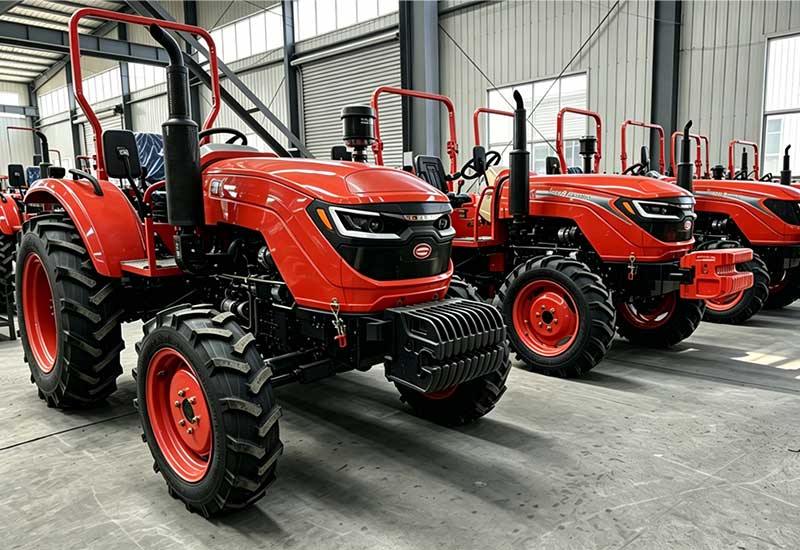
In many of these regions, small and medium-sized farms dominate the agricultural landscape. As a result, there is a strong demand for cost-effective, easy-to-operate, and highly adaptable tractors. Compact wheeled tractors, in particular, have gained popularity due to their flexibility and ability to perform efficiently in diverse terrains, including hilly areas and fragmented farmland. This trend presents a valuable opportunity for manufacturers who can deliver reliable and affordable solutions tailored to local needs.
At the same time, large-scale farming operations in developed regions continue to drive demand for high-performance machinery. In Europe and parts of South America, large farms require tractors with higher horsepower, advanced transmission systems, and enhanced operational efficiency. These markets prioritize productivity, durability, and compliance with strict environmental and safety regulations.
Technology is another key factor shaping the future of the industry. Modern tractors are increasingly equipped with advanced features such as intelligent control systems, precision farming technologies, and improved hydraulic systems. These innovations help farmers optimize resource usage, reduce operational costs, and improve overall efficiency. As digital agriculture continues to evolve, the integration of smart technologies is expected to become even more widespread.
Sustainability is also becoming a major consideration in agricultural machinery development. Governments and organizations worldwide are promoting environmentally friendly farming practices, leading to stricter emission standards and increased demand for energy-efficient equipment. Manufacturers must continuously innovate to meet these requirements while maintaining performance and reliability.
Another important trend is the growing demand for customized solutions. Agricultural conditions vary significantly across regions, including differences in climate, soil types, crop varieties, and farming methods. As a result, buyers are increasingly seeking tractors that can be tailored to their specific operational needs. Customization options such as adjustable wheel spacing, specialized attachments, and optimized engine configurations have become key factors in purchasing decisions.
In addition to product capabilities, supply chain stability has become a critical concern for global buyers. Recent global disruptions have highlighted the importance of working with manufacturers who have strong supply chain integration and reliable production capacity. Companies that can ensure consistent delivery, maintain quality standards, and provide responsive support are more likely to build long-term partnerships with international clients.
For manufacturers, expanding into global markets requires a clear and strategic approach. Establishing regional distribution networks, setting up local service centers, and understanding regulatory requirements are essential steps in building a strong international presence. Companies that invest in after-sales service and technical support can significantly enhance customer satisfaction and brand loyalty.
From a competitive perspective, the ability to combine quality, cost-effectiveness, and customization is becoming increasingly important. Buyers are no longer focused solely on price—they are looking for value, reliability, and long-term support. Manufacturers that can deliver a balanced solution are better positioned to succeed in the global market.
Looking ahead, the agricultural machinery industry will continue to evolve in response to global challenges such as food security, climate change, and labor shortages. Mechanization will play a central role in addressing these challenges by improving efficiency and enabling sustainable farming practices.
For global distributors and agricultural businesses, staying informed about these trends is essential. By partnering with manufacturers that understand market dynamics and invest in innovation, businesses can capture new opportunities and achieve sustainable growth in an increasingly competitive landscape.
Send Us A Message