
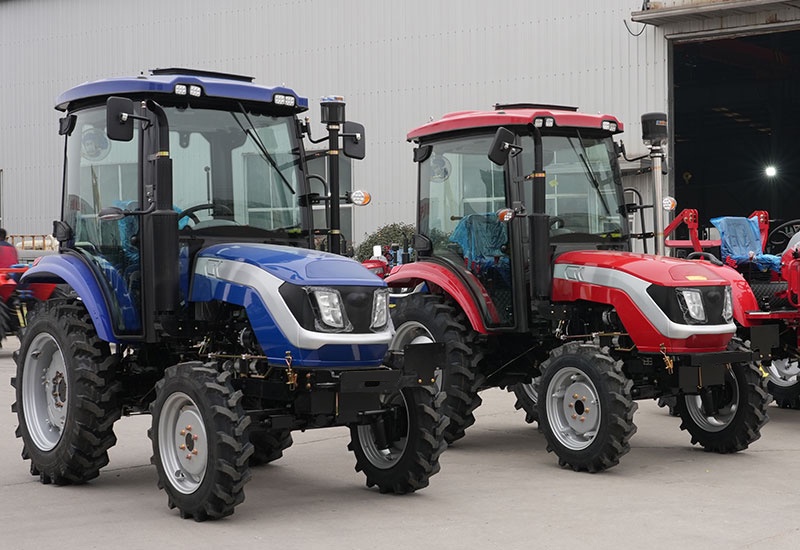
Key factors to consider when selecting tractors for diverse farming environments
Selecting the right tractor for a specific market is a critical decision that directly impacts agricultural productivity and business success. With a wide range of tractor models available—varying in horsepower, configuration, and functionality—buyers must carefully evaluate their options based on local farming conditions and operational needs.
One of the most important factors to consider is the type of farming environment. In many Asian countries, such as Bangladesh, Myanmar, and Indonesia, agriculture is often characterized by small-scale farms and fragmented land. In these regions, compact wheeled tractors are highly preferred due to their flexibility, ease of operation, and ability to navigate narrow fields and uneven terrains.
In contrast, European and South American markets are dominated by large-scale farms that require high-horsepower tractors. These machines are designed for heavy-duty operations and can handle large areas efficiently. Features such as advanced transmission systems, high-pressure hydraulic lifting, and intelligent control systems are particularly valuable in these settings.
Climate and environmental conditions also play a significant role in tractor selection. In African markets, for example, tractors must be able to withstand high temperatures, dust, and challenging terrains. This requires enhanced durability, reinforced structures, and optimized cooling systems. Similarly, in colder regions, engines and components must be designed to perform reliably in low-temperature conditions.
Another key consideration is fuel efficiency. Rising fuel costs have made energy-efficient machinery a top priority for many buyers. Tractors with optimized engine performance and advanced fuel-saving technologies can significantly reduce operating expenses over time.
Customization is increasingly becoming a decisive factor in the purchasing process. Buyers are looking for suppliers who can provide tailored solutions that match their specific requirements. This may include adjusting wheel spacing, modifying engine emission standards, or integrating specialized agricultural tools.
In addition to product specifications, buyers should also evaluate the reliability of the supplier. A trustworthy manufacturer will offer consistent product quality, transparent communication, and comprehensive after-sales support. Access to spare parts and technical assistance is particularly important for maintaining long-term operational efficiency.
Ultimately, choosing the right tractor is not just about selecting a product—it is about finding a solution that aligns with local agricultural needs and business goals. By considering factors such as environment, performance, customization, and supplier reliability, buyers can make informed decisions that drive long-term success.
Send Us A Message